
Integrative Counselling Foundation Degree
Foundation
- Start date
- –
- Study mode
- –
- Course length
- –
- UCAS Code
- –

Interested in a different start date?
Course Description
On the Foundation Degree in Integrative counselling, you will experience a professional training that leads to a qualification as a BACP registered counsellor. Throughout the course, you will be supported to develop both professional and academic competences enabling you to become an insightful practitioner that has experience of academic study, clinical therapeutic work and reflective practice.
The course includes the BACP online and phone therapy (OPT) competencies (BACP, 2021) meaning you can gain experience of in-person and remote working with clients. It is also accredited by the British Association for Counselling and Psychotherapy (BACP) and subscribes to the BACP Ethical Framework (2018) ensuring a high standard of training that enables you to meet the future challenges of the profession.
Guiding you through the course is our teaching team – comprised of experienced qualified therapists who are in current clinical practice and have a range of research interests:
• Faisal Mahmood (Head of Subject (Counselling, Psychotherapy & Talking Therapies)
• Emily Evans (Senior Lecturer / Joint Programme lead FD)
• Steve Roberts (Senior Lecturer / Joint Programme lead FD)
• Stephanie Carr (Lecturer)
• Carl Flynn (Visiting lecturer)
• Joanne Adams (Lecturer / Placement Manager)
• Sam Gallo (Senior Lecturer / Programme lead MSc Integrative Counselling)
• Cara Robin (Lecturer)
• Karen Lee (Senior Lecturer)
• Linda Luckhurst (Senior Lecturer / Programme lead Advanced Diploma Psychotherapy)
• Awisha Magar (Lecturer)
• Bill Naylor (Senior Lecturer / Programme lead Counselling, MH & Wellbeing)
• Cassie Rowland (Senior Lecturer)
• James Sedgwick (Senior Lecturer / Programme lead MSc in Integrative Psychotherapy)
• Rebekah Woodhouse (Senior Lecturer / Programme lead Joint Honours and Top Up)
• Sandra Boden – (Senior Lecturer)
• Sarah Manso (Visiting Lecturer)
• Carl Flynn (Visiting Lecturer)
Why study this course?
The course is accredited by the British Association for Counselling and Psychotherapy (BACP), and on successful completion of the programme you can register with the BACP as a registered counsellor. You will undertake a distinctive training in integrative counselling, using an assimilative model for practice incorporating Gestalt and Psychodynamic concepts within a person-centred framework.
The programme is designed to support your development as a practitioner inviting you to become part of an inclusive learning community that values integrity, reflection and relational practice. As this programme supports your personal growth alongside professional and academic learning, it requires a significant investment of time and effort to meet the competing demands of the professional training. If you are ready to engage with the emotional, relational and psychological dimensions associated with counselling then this course will be of interest to you. Whether your aim is professional registration, private practice or further academic study, you will be supported in becoming a thoughtful, capable and confident practitioner.
Got a question you’d like to ask?
Entry requirements
We welcome students from all backgrounds and accept a wide range of qualifications. If yours aren’t listed, don’t worry – our Admissions Team can help you explore your options. See full entry requirements.
Entry Requirements
– Birmingham Newman’s Level 4 Introductory Certificate in Counselling, or a Counselling Certificate at level 3 (or equivalent), which normally includes a face-to-face counselling skills training and theoretical understanding
– Some experience of using these skills (such as active listening, empathy, open ended questions, responding appropriately) in a workplace or voluntary setting, such as a helping, listening or supporting relationship is expected
– Those without a level 3 qualification may apply for the Birmingham Newman’s level 4 Introductory Certificate in Counselling and then apply for entry onto the Foundation Degree.
Candidates must also demonstrate:
– Self-awareness, maturity and stability
– Ability to make use of and reflect upon life experience
– Capacity to cope with the emotional, intellectual and academic demands of the course
– Ability to form helping relationships
– Ability to be self-critical and use both positive and negative feedback
– Awareness of the nature of prejudice and oppression
– Awareness of issues of difference and equality
– Ability to recognise the need for personal and professional support
– Competence in, or the aptitude to develop generic professional skills, including: literacy, numeracy, information technology, administrative skills, self- management skills, communication and interpersonal skills
Please contact Admissions if you have any questions.
Course fees & funding
Fees
The tuition fee for academic year 2026/27 is: £5,100. Tuition fees for courses starting April to May 2026, fall within the 2025/26 academic cycle.
Fees for the 2025/26 academic year can be found on our Student Finance pages and choosing our degree type.
Additional costs
The University will review tuition fees and increase fees in line with any inflationary uplift as determined by the UK Government, if permitted by law or government policy, in subsequent years of your course. It is anticipated that such increases would be linked to RPI (the Retail Price Index excluding mortgage interest payments).
Find out about extra costs, timetable details, and how course modules may change through additional course information.
Funding
Find out what funding and support might be available to you through Student Finance and Student Success.
Course specific additional costs
There are some additional fees associated with this course – these are outside of the course fees and self-funded. For example, the cost of clinical supervision (1 hour per fortnight whilst completing the 120-hour clinical hours), personal therapy (40 hours by the end of the course), student membership to the BACP for each year of your studies and professional indemnity insurance once in placement.
- Personal Therapy approx. £45-£65 per session
- Clinical Supervision approx. £45-£65 per session
- BACP student membership annual fee approx. £92 per year
- Professional indemnity insurance annual fee (costs vary between providers)
Check out our blog/news/events

Birmingham Newman Awarded Top National Honour for Nursing Programmes
The University has been named Nurse Education Provider of the Year (pre-registration) at the 2026…

From World Cup to Classroom: Birmingham Newman Lecturer Shares Elite Para Sport Insight
Dr Rachel Bevins, Lecturer in Sport and Exercise Therapy at Birmingham Newman University, has recently…

Sports Coaching student presents work at the House of Lords
A BSc Sport Coaching Science student from Birmingham Newman has recently been invited to the…

Birmingham Newman University hits top five for social mobility in latest national rankings
Birmingham Newman University has been ranked in the top five of higher education providers for social mobility in the English Social Mobility Index. …

Birmingham Law Society Celebrates Excellence at 24th Annual Legal Awards 2026
The 24th anniversary of the Birmingham Law Society Legal Awards was marked on 12 February 2026…
Book an open day
Find out about our next open day. Book now to secure your place.
Clinical placement
During years 2 and 3 of the Integrative Counselling Foundation Degree, you will engage with a supervised clinical placement helping you to build insight, confidence and a deeper understanding of relational practice. You will be responsible for sourcing a placement and apply independently to agencies based on your specific requirements (e.g. location, opening times, specialism). The subject area has a strong reputation and has built solid relationships with a range of placement settings across the West Midlands and surrounding areas. You will be guided by experienced professionals and supported by university staff, with progress monitored through structured reflection and interim reviews. Completion of the 120 supervised clinical placement hours may extend beyond the three years of the Foundation degree depending on your personal circumstances and rate of client attendance.
Studying and living in Birmingham
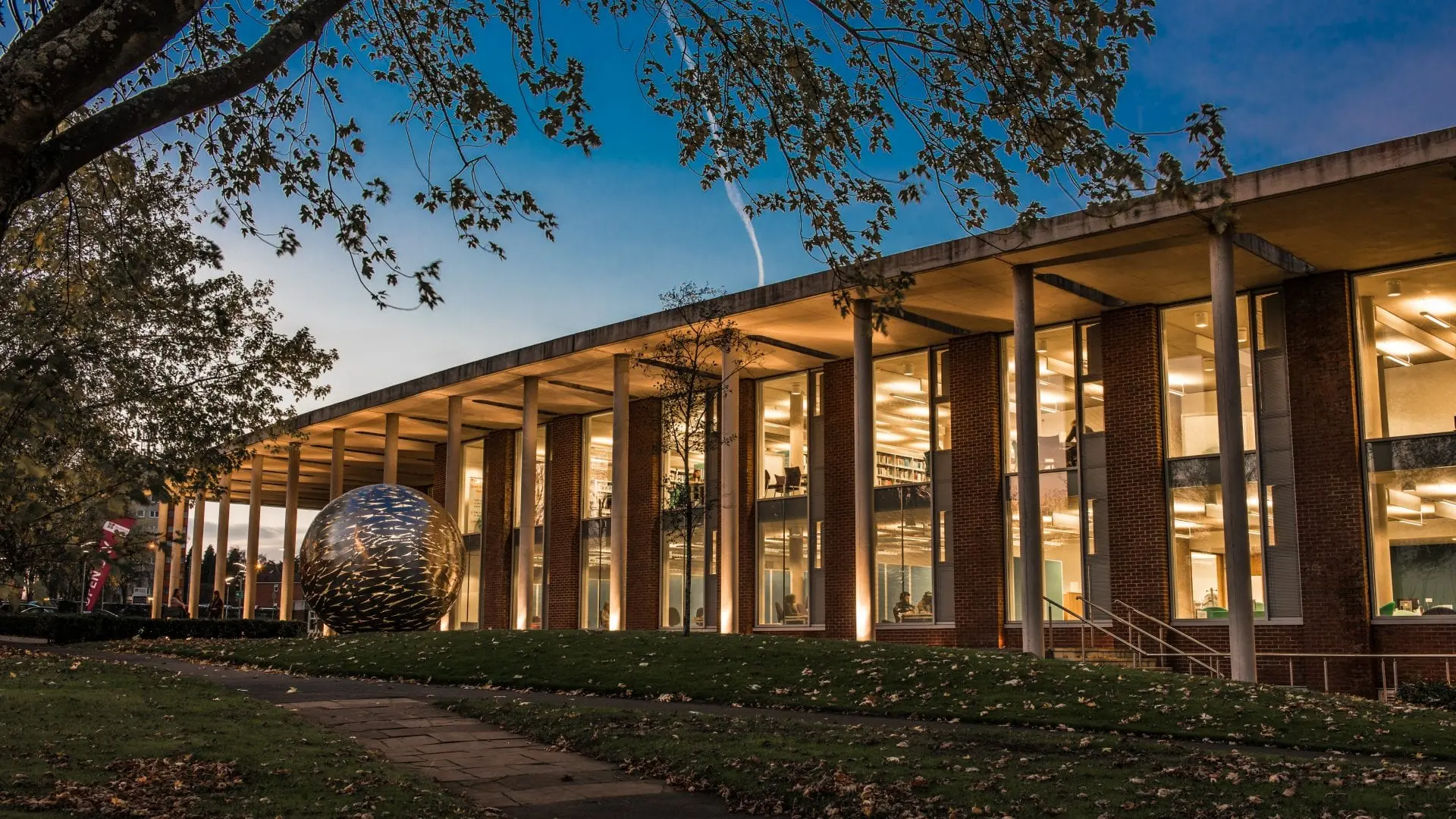
At Birmingham Newman University, you’ll enjoy the best of both worlds: a peaceful, green campus that creates the ideal setting for focused study and personal reflection, yet remains just eight miles from the vibrant city centre.
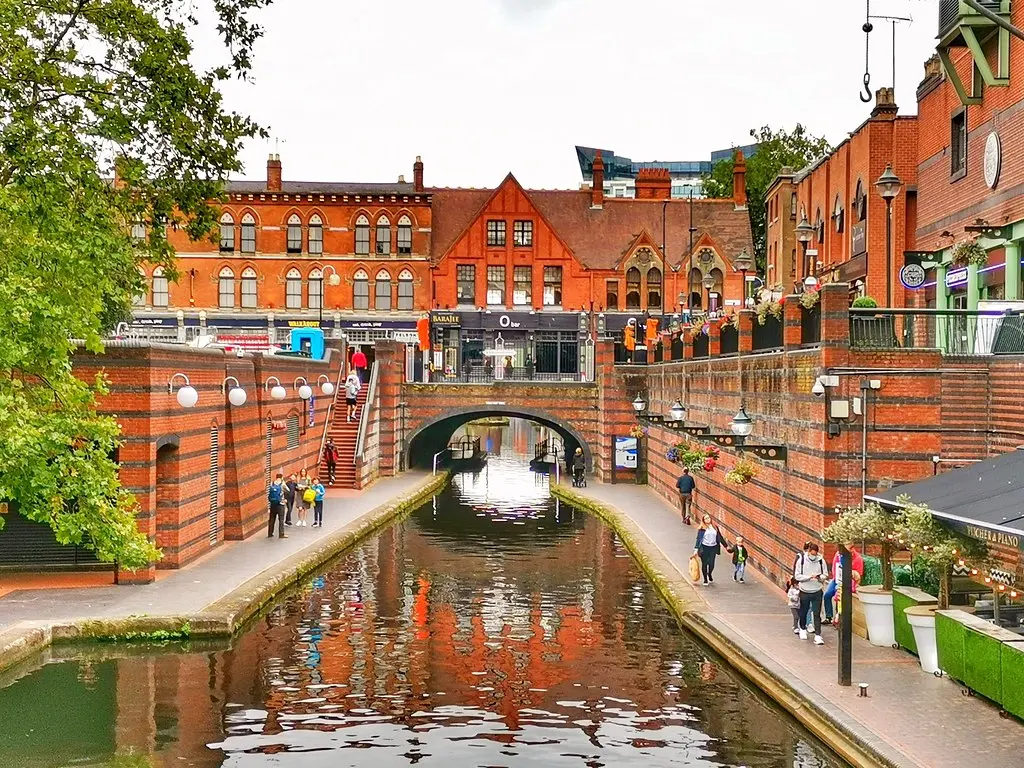
As the UK’s second-largest city, Birmingham is also one of the youngest and most diverse in Europe, offering a dynamic blend of culture, innovation and opportunity. From world-renowned museums and music venues to a thriving food scene alongside a growing business and tech sector, it’s a place where creativity and ambition naturally thrive.
Experience Birmingham: A City full of possibilities
Whether you’re discovering the Midlands for the first time or already know the area well, Birmingham provides a lively and inclusive environment for students. As one of the most energetic and multicultural cities in the UK, it’s a place where you can grow academically while developing personally. Its rich cultural heritage, creative energy and broad range of opportunities make it an inspiring backdrop for your university journey.
A City that loves great food
Birmingham is a brilliant place to explore diverse culinary experiences. You might wander through the famous Balti Triangle, sample global street food at Digbeth Dining Club or enjoy a relaxed meal by the canals in Brindleyplace. The city is also home to independent cafés, vegan-friendly eateries and countless hidden gems. Whether you’re grabbing a quick bite between lectures or planning an evening out, there’s always something new to discover.
Arts, culture and entertainment
The city pulses with creativity. You could catch live music at the O2 Academy, experience a world-class performance at the Birmingham Hippodrome or browse exhibitions at the Birmingham Museum and Art Gallery. Creative spaces like the Custard Factory showcase local talent while hosting events that celebrate innovation. With festivals, sporting fixtures and cultural celebrations taking place year-round, there’s never a shortage of things to enjoy.
Simple & convenient travel
Getting around Birmingham is straightforward thanks to its well-connected public transport system. Buses, trams and trains make it easy to reach campus, explore the city or travel further afield. Whether you’re commuting daily or heading off for a weekend adventure, transport is both accessible and affordable.
Life beyond the lecture Hall
Your time at Birmingham Newman University extends far beyond academic study. You’ll have the chance to join student societies, contribute to community projects or try something entirely new. The University’s supportive atmosphere encourages you to build confidence, develop practical skills and feel genuinely at home throughout your studies.
View our campus
Our Careers team provides tailored advice, placements and workshops to help you build confidence and prepare for life after university.
Where this course can take you?
This course encourages self-awareness, critical thinking and the formation of a strong professional identity. Whether you are preparing for independent practice, working in public or voluntary services or planning further academic study, you will graduate with the knowledge, values and tools needed to contribute to the field of counselling. The programme is designed to help you grow into a confident and responsive professional, ready to meet the needs of diverse communities.
On completion, of the Foundation Degree, you have the opportunity to progress to the BA (Hons) Professional Practice in Counselling (top-up). This one-year, post-qualifying practitioner training deepens your theoretical, professional and research skills and enables you to convert your Foundation Degree into a full honours degree. It is aligned to SCoPEd Column B (BA (Hons).
You may then choose a second top-up year MA Professional Practice in Counselling and Psychotherapy. This programme provides a comprehensive grounding in the theoretical, practical and personal knowledge, skills and competencies necessary to practice as a SCoPEd column C therapist.
Expected study hours
In year one, classroom teaching takes place between 10am and 5pm on Thursdays.*
You should expect to spend a further day engaging in independent study.
You will also need to allocate time for personal therapy.
In years two and three, classroom teaching takes place between 11am and 5pm on Wednesdays.*
You will undertake a supervised clinical placement and clinical supervision (as well as continuing with personal therapy and ongoing independent study). Your clinical placement will take place on a day when you are not taught on campus.
This is a thorough practitioner training and as such there are competing demands on your time during the course.
You will need to be able to complete academic work, whilst also completing clinical hours with your clients, accessing clinical supervision, organising your own personal therapy and study time.
Courses we think you'll also like

Integrative Counselling MSc
- Study Mode:
- Full-time
- Length:
- 1 years

Integrative Counselling PG Dip
- Study Mode:
- Full-time
- Length:
- 1 years

Counselling, Mental Health and Wellbeing (with Foundation Year) BA (Hons)
- Start date:
- September 2026
- UCAS Code:
- B944
- Study Mode:
- Full-time
- Length:
- 4 years

Counselling Studies and Working with Children, Young People and Families (with Foundation Year) BA (Hons)
- Start date:
- September 2026
- UCAS Code:
- B942
- Study Mode:
- Full-time
- Length:
- 4 years